
Quiet Burnout: When Your Life Looks Fine But Doesn't Feel It
There is a specific form of exhaustion showing up increasingly among high-functioning professionals in London and other major cities. It doesn't look like traditional burnout. The affected person is still performing at work. Still meeting deadlines. Still hosting Sunday lunch. Still on top of the emails.
But underneath that, something is empty.
The wellness industry calls it high-functioning burnout or silent burnout. Some researchers now use the term quiet burnout. Whatever you call it, it's rising fast. Deloitte's 2023 external report on employee burnout found that 77% of professionals surveyed had experienced burnout at their current job, and that a significant majority were still performing at high levels while doing so.
What are the signs of quiet burnout?
If any of the following describe you, you're probably in this category:
- Your life photographs beautifully, and you feel nothing when you look at the photos
- Sleep doesn't restore you
- You can't remember the last time you were bored
- You have wellness routines but they feel like another task
- You genuinely can't think of anything you're looking forward to
None of these are dramatic. That's the point. Quiet burnout doesn't announce itself. It quietly hollows out an otherwise successful life.
Why traditional burnout signs miss it
Classical burnout looks like collapse. Missed work. Physical symptoms. A dramatic breaking point. That model was developed in the 1970s based on healthcare and social workers, and the World Health Organization officially recognises burnout as an occupational phenomenon defined by three dimensions: exhaustion, mental distance from one's job, and reduced professional efficacy.
Quiet burnout hits the first two hard but not the third. You're still efficacious. You're still delivering. You're just doing it while feeling like a functional shell of a person.
Because you're still delivering, nobody around you notices. Because you're still delivering, you don't fully register it either.
What actually creates the felt quality of a life?
Substance, not aesthetic. Substance is the thing that no camera captures.
It's the difference between a table set for a dinner party and the dinner party itself. Between a beautiful morning routine and being genuinely awake to the morning. Between owning good sheets and sleeping well.
The photographable version and the felt version look identical from the outside. From the inside, they are unrecognisable.
What actually helps quiet burnout?
The specific move worth trying: stop optimising the visible. Start protecting the invisible.
An unplanned hour in the evening where nothing is asked of you. A weekend morning without a schedule. A meal eaten slowly with someone who knows you. A walk that isn't training for anything. A conversation that doesn't have a purpose.
These are the things that create the felt quality of a life. They cost almost nothing. They photograph badly, which is why the wellness industry rarely sells them. But they are the actual thing.
Where practices like sound therapy fit in
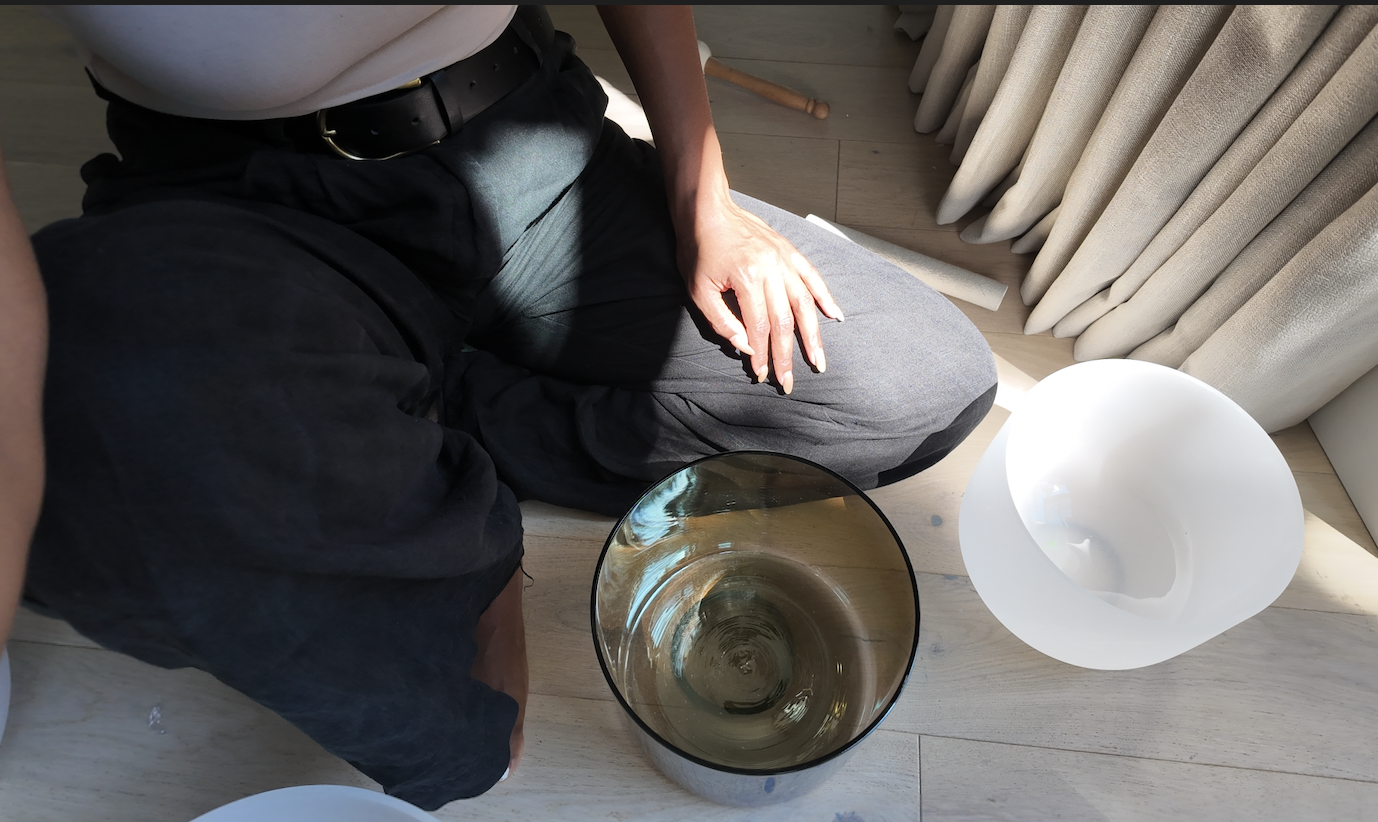
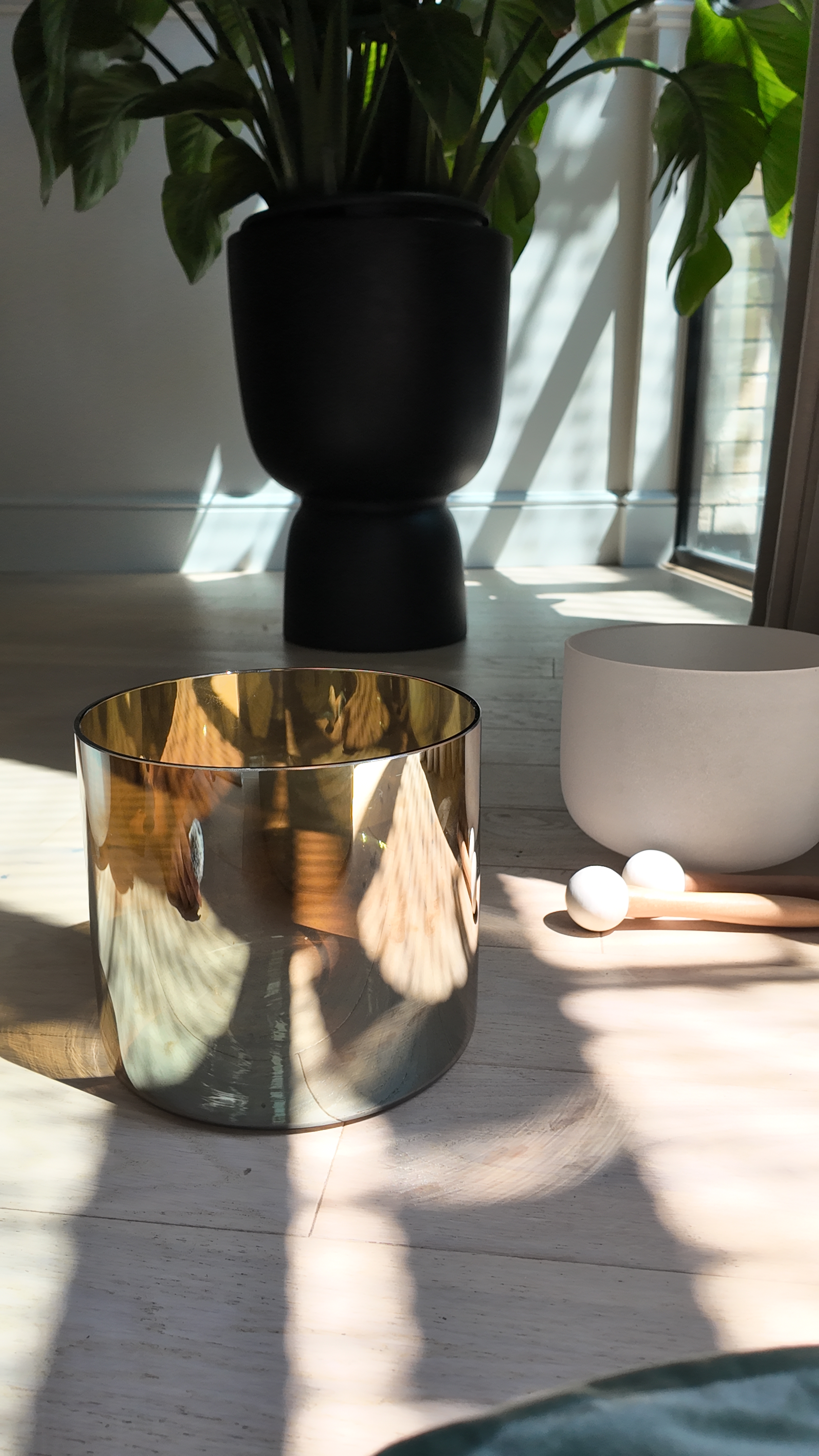
A sound therapy session is one of the few experiences that resists being optimised. You can't do it well. You can't do it faster. You can't multitask through it. It requires you to lie still and do nothing for an hour.
That resistance is the point. In a life that has become deeply performative, an hour that refuses to be a performance is unusually valuable. It reminds you what it feels like to be somewhere without needing to be seen there.
Not everyone with quiet burnout needs sound therapy specifically. But everyone with quiet burnout needs some version of the same principle: an experience that cannot be optimised. If it's not sound therapy, it's walking without podcasts. Long baths without phones. Whatever the specific form, it's the same underlying move — refusing to make a moment productive.
That refusal is what actually creates rest.
For related reading, How Sound Affects the Body Before Your Brain Even Processes It explains the physiological mechanism. If you're in London and considering trying sound therapy directly, Chime & Flow's monthly open sessions run once a month at partner venues across the city.


.JPG)

.png)
